
From brass to gold and silver, exploring the mysteries of metal craftsmanship
Ⅰ.The two main categories of commemorative coins:
Before delving into the details of the materials, we need to know that commemorative coins are mainly divided into two categories: ordinary commemorative coins and precious metal commemorative coins.
Ordinary commemorative coins are mainly used for collection and a small amount of circulation. Their material is the same as that used for casting ordinary coins. While precious metal commemorative coins are made of precious metals such as gold and silver, and are mainly used for collection and investment.
The most fundamental difference between the two lies in the following: The face value of ordinary commemorative coins indicates their legal value and can be exchanged equivalently with other circulating RMB; while the face value of precious metal commemorative coins is merely a symbolic currency symbol and does not indicate their actual value, nor can it be circulated.
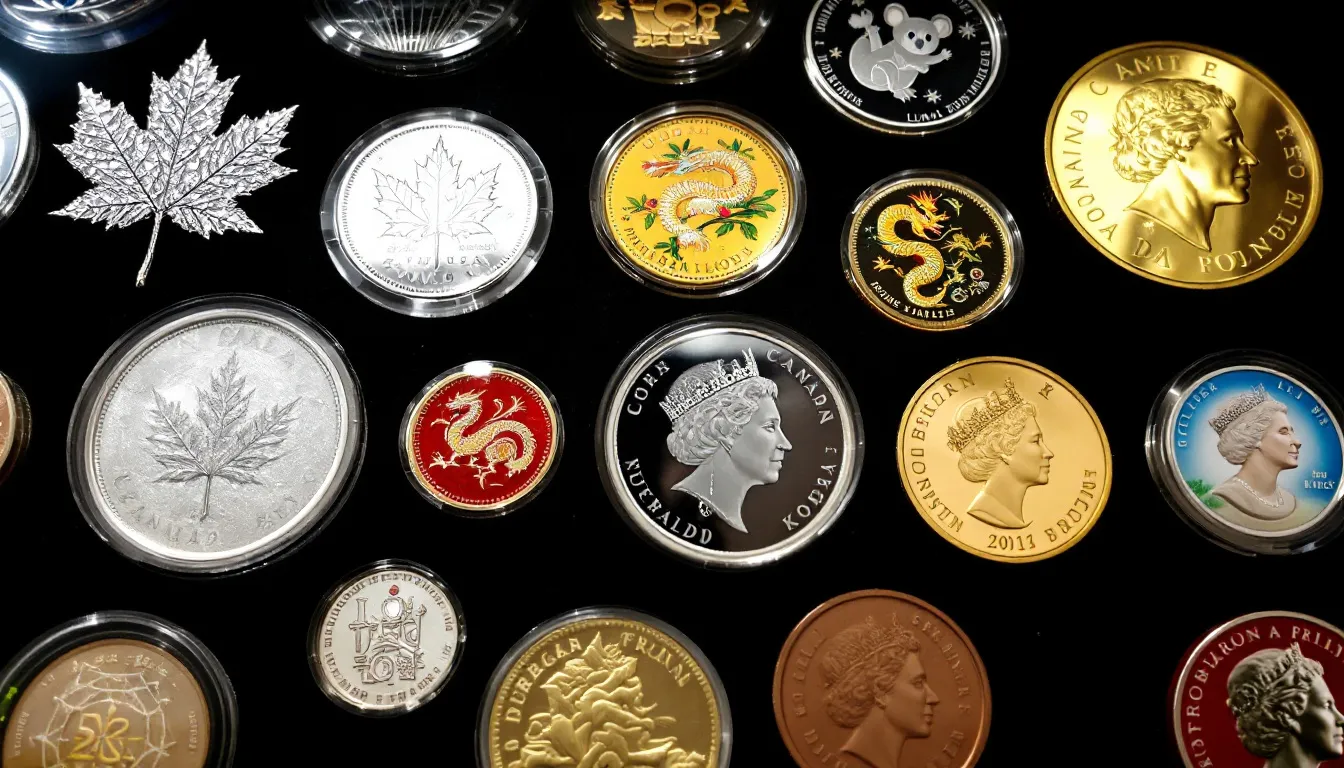
Ⅱ.Common materials for ordinary commemorative coins:
Copper-nickel alloy (white copper):
Copper-nickel alloy has excellent corrosion resistance and appropriate hardness, making it suitable for manufacturing high-end commemorative coins.
Copper-zinc alloy (brass):
Due to the skyrocketing international copper and nickel prices in the late 1980s, the cost of minting coins increased significantly. Given its reasonable cost and attractive color, brass gradually became the main material for commemorative coins.
Steel core with nickel plating:
This material has an appearance similar to that of white copper, but the cost has been significantly reduced. The commemorative coin with a steel core and nickel plating has a silvery appearance, but it is prone to scratches, which affects its aesthetic appeal and collectibility.
Copper alloy (pure copper):
The copper alloy is of high purity. However, due to technical issues or the unsatisfactory appearance, this series was only released and then discontinued.
Two-color copper alloy inlay:
The bicolor coin is made of a combination of white copper and yellow copper, and is crafted through a complex process. It has a magnificent appearance and excellent anti-counterfeiting properties.
The material of precious metal commemorative coins:
The materials of precious metal commemorative coins mainly include precious metals such as gold, silver, platinum, and palladium, or their alloys. Unlike ordinary commemorative coins, the face value of precious metal commemorative coins is merely a symbolic currency symbol and does not indicate their actual value.
Ⅲ.Principles for Selecting the Material of Commemorative Coins
When choosing the material for commemorative coins, manufacturers will take into account several factors:
1.Cost and budget: If the copper-nickel price rises, switch to steel core with nickel plating and brass.
2.Aesthetics and texture: Different metals exhibit different colors, which affects the overall appearance of the commemorative coin.
3.Durability: The material must be resistant to oxidation, corrosion and wear, while maintaining its aesthetic appearance.
4.Theme Adaptation: The materials should be in harmony with the commemorative theme. For instance, precious events might be commemorated with precious metals.
5.Process feasibility: Different materials are suitable for different casting processes.
6.Anti-counterfeiting requirements: Complex alloy combinations enhance anti-counterfeiting capabilities.
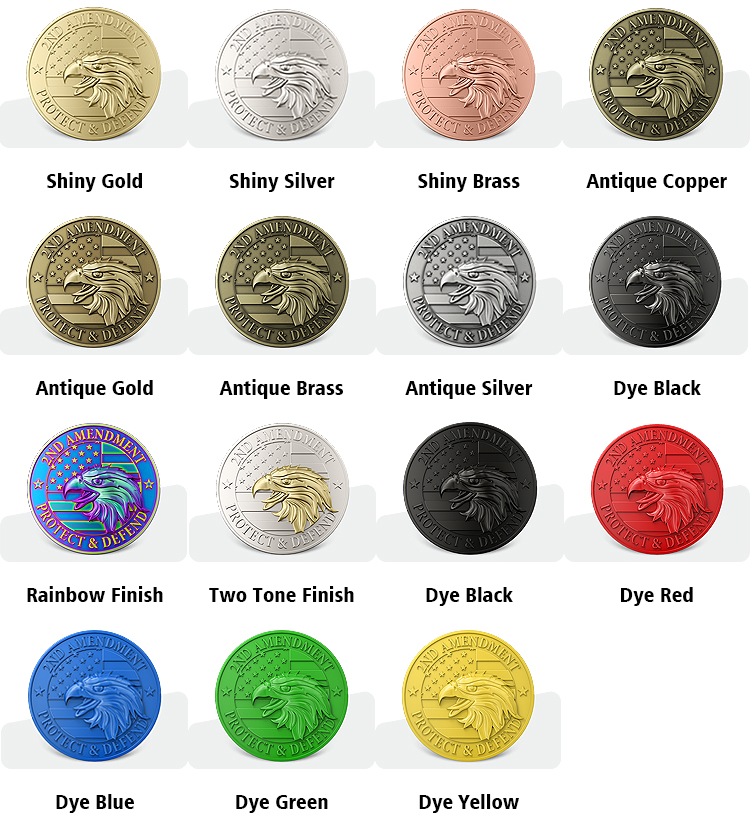
Ⅳ.Maintenance and preservation of commemorative coins
The material of commemorative coins determines the way they should be maintained. For instance, ordinary brass alloy commemorative coins are prone to absorbing sweat when touched directly with hands, which can lead to the formation of copper green.
When storing, it is best to place the items in a collection box or a plastic-sealed bag. When taking them out, you should wear white gloves or use a tissue. In a humid environment, the place where copper products are stored should be kept well-ventilated. Do not stack or rub them together. They should be placed flat to avoid rusting or scratching.