How to customize commemorative coins
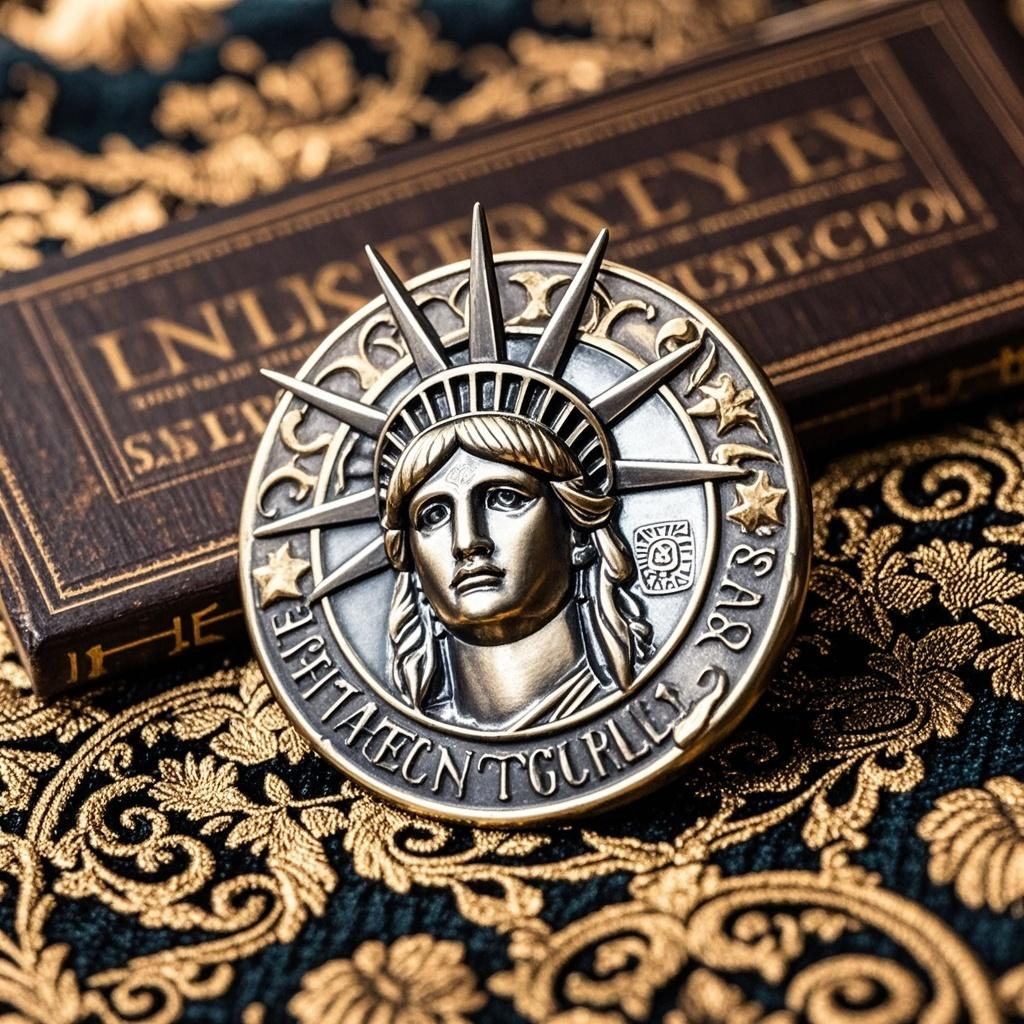
Each commemorative coin has its own unique features. They are all carefully designed drafts by various designers. These commemorative coins carry special meanings and can be used anywhere.
The design phase determines your coin’s final appearance. Sketch your concept on paper first, considering both sides of the coin. Professional coins typically feature a central image surrounded by text along the rim. Keep designs bold and simple, as fine details can be lost in the production process.
For those using digital design, programs like Adobe Illustrator or free alternatives like Inkscape help create precise artwork. Many 3D printing services and professional coin manufacturers accept digital files, making custom orders straightforward.
Ⅰ.Design finalization: From planar to three-dimensional
First, you need to clarify your own thoughts. Figure out what you need to do. This thought might occur suddenly or have been firmly imprinted in your mind over a long period of time. It usually manifests as a fixation or belief, determining your creativity and goals. Thus, a rudimentary design has already emerged.
And we are the ones who can provide you with a physicalized service based on your ideas or your design drafts. We will analyze and determine according to your ideas or design drafts, so as to make this commemorative coin achieve a better and more satisfactory result for you.
After the design draft is finalized, the sculptor uses clay to transform the two-dimensional pattern into a three-dimensional model. This process is extremely demanding in terms of craftsmanship. The height of the relief needs to be precisely controlled, reaching an accuracy of “ten percent of one millimeter”.
Subsequently, this three-dimensional model will be transformed into a plaster mold or a resin mold, and then cast electrochemically to create a copper master mold with raised patterns.
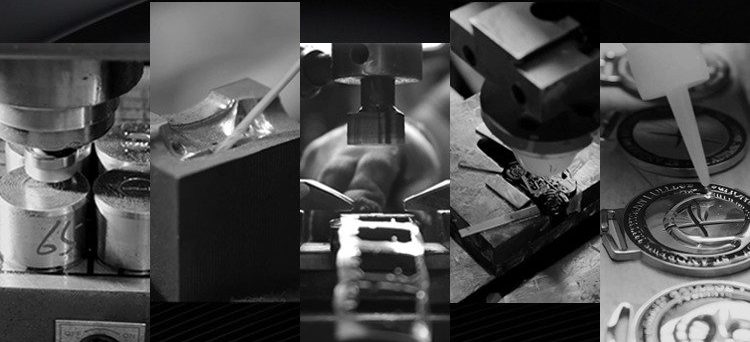
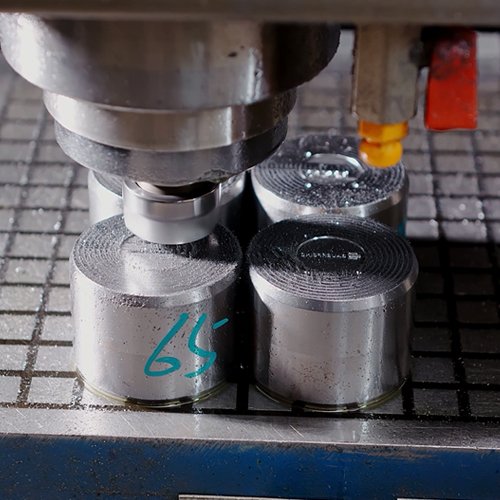
After the master mold is completed, it will be placed in the engraving machine. Through the synchronous movement of the probe and the engraving knife, the three-dimensional pattern will be replicated at the original scale onto another metal mold blank, thus forming the original mold (sub-mold).
Ⅱ.Material Selection: The Foundation of Commemorative Coins
The selection of materials for precious metal commemorative coins is extremely meticulous. Silver coins usually use 999 pure silver, and then move on to 500 parts silver and 500 parts copper alloy for manufacturing. The most commonly used international grades are 925 and 900.
Gold coins are usually made from gold ingots or gold-copper alloys with grades such as 9999 or 999K. These precious metals are refined and prepared by the mint through electrolysis, and analyzed using modern instruments to determine their composition. The analysis results represent the authoritative standards of a country.
The material for coinage must possess specific physical properties: the metal should be soft and easy to be shaped, while also having sufficient hardness to withstand the wear and tear during circulation.
Since metals with all these characteristics are extremely rare, alloys made by melting two or more metals together are usually used.
Ⅲ.Cast-Rolled Strip: Precise metal preparation
From the electric furnace, the molten precious metals are cast into various-sized sheet blanks through a continuous casting machine. These sheet blanks will have their surfaces machined mechanically to remove impurities, and then they will be cold rolled under extremely strict environmental conditions.
Each process must be kept clean. After annealing, thin strips with extremely small thickness tolerances and a mirror-like, smooth surface are rolled out on a dedicated precision rolling machine. The precision requirements here are extremely high – the error must not exceed 0.005 millimeters.
Ⅳ.Flour cake cleaning: Prepare the perfect dough cake
Place the rolled strips into the punch press and punch out circular blank sheets. This process must ensure the minimum burrs and the best edges are achieved, while avoiding any contamination or scratches.
The pressed billets need to undergo bright annealing and then polishing. The surface of the billets is dried with a special cleaner, and each billet must be precisely weighed, with the accuracy requirement of the electronic scale reaching 0.0001 grams.
Any billets that do not meet the tolerance requirements will be completely scrapped. Ensure that only the perfect billets can proceed to the next process.
Ⅴ.Molding by stamping: Giving life to metals
Stamping is the most crucial step in the production of commemorative coins, and it is carried out in a purification room with air filtration. Any tiny speck of dust can cause the coin to be scrapped, so the environmental requirements are extremely strict.
Internationally, the standard scrap rate is usually set at 10%. However, for coins with large diameters and large mirror surfaces, the scrap rate can even reach as high as 50%.
During the stamping process, the blank coin is manually placed into the sealed mold cavity. Currently, mechanical feeding cannot achieve the same quality as manual operation. Through high pressure, the patterns on the mold are transferred onto the metal blank coin, making it a genuine commemorative coin.
Modern coin stamping machines use “curved rod power” to drive the stamping head to move up and down. A nickel coin requires a pressure of 30 tons per square inch, while a silver coin requires 150 tons per square inch.
Ⅵ.Special technique: Enhances artistic value
With the advancement of technology, the mint has developed many new techniques to enhance the artistic quality of commemorative coins:
The Color Coin series adds a new artistic touch to gold and silver coins by applying special printing techniques to print colorful patterns on one side of the coins. The colors are durable, resistant to corrosion, and can remain bright for a long time.
The special-shaped coins have added shapes such as rectangles, lotus flowers, fans, polygons, and hearts to the circular coins, providing collectors with new options for collection.
Bimetallic coins and partially gold- and silver-plated coins are made of two different colored metals and are formed by die-casting with inner and outer rings, such as the gold-rimmed silver outer ring.
High relief and sandblasting techniques are also widely used. The pattern parts are sprayed to have a fine frosted surface, or the pattern is made to be higher than the coin surface, thereby enhancing its three-dimensionality and layering effect.
Take the national park gold and silver commemorative coins issued in 2023 as an example. The back of the coins features a mirror-like surface, and the main pattern is produced using multi-level sandblasting, color-changing scales and color spraying techniques.
The water flow adopts the combination of light-changing dragon patterns and color spray technology to create a shimmering effect on the water surface.
Ⅶ.Quality inspection and packaging: The final check
To maintain the original color of the commemorative coins for a certain period of time, each coin’s surface needs to undergo certain treatments. Then, it is placed in a plastic box and sealed with a plastic film.
After that, it is put into a specially designed packaging box. All the finished products must undergo strict inspections to ensure that only flawless commemorative coins can be released from the factory.
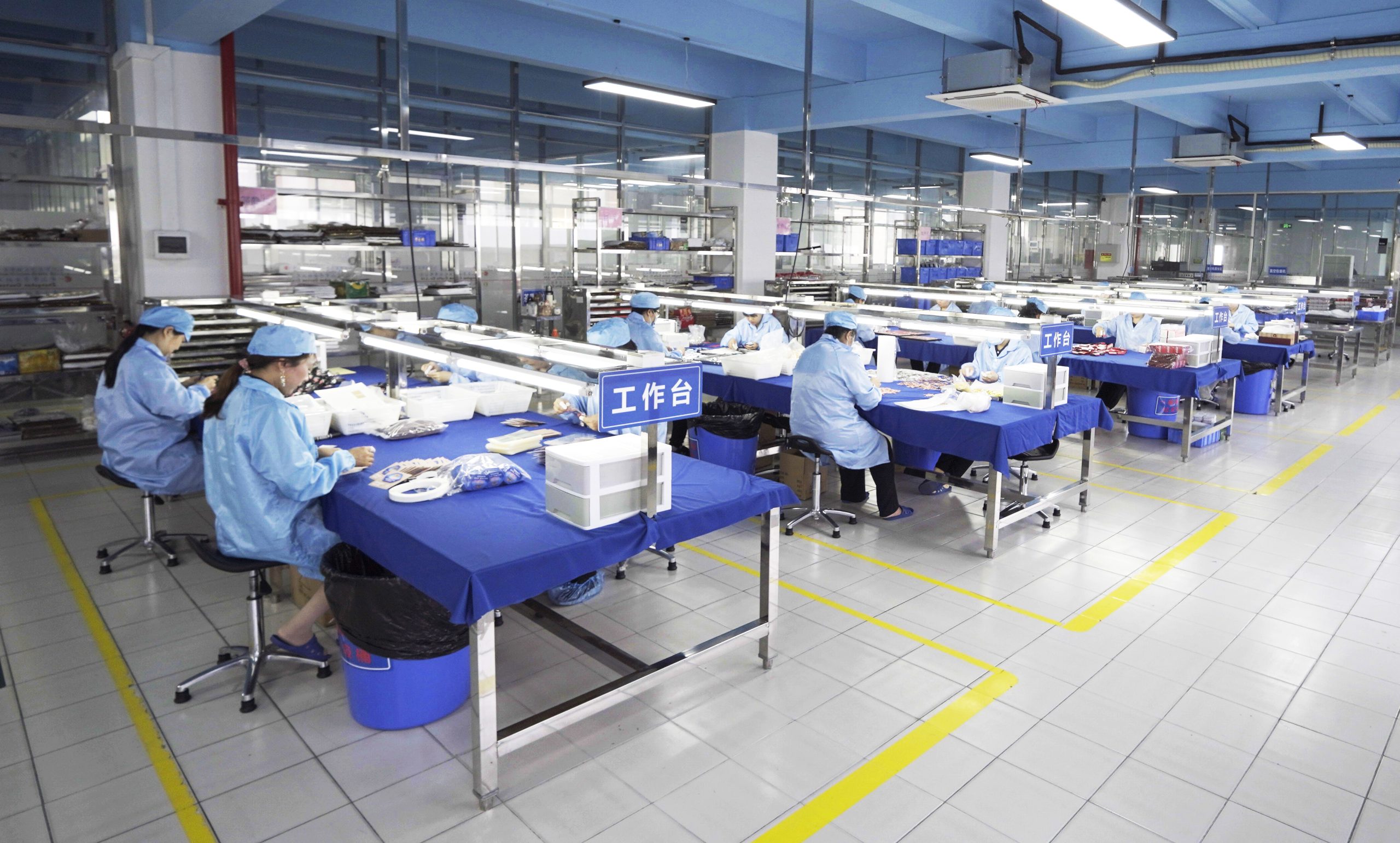
In our factory, the coins after embossing will be judged for quality by online inspection equipment, including whether the patterns are clear and full, and whether the front and back molds are aligned correctly, etc. Unqualified products will be rejected.
When handling each commemorative coin, you might want to appreciate the exquisite craftsmanship behind it. The shiny surface is not only the luster of precious metals, but also the brilliant light of human wisdom and craftsmanship.